
In Vietnam, perhaps no other drink has permeated life as deeply as tea. When guests arrive, tea is poured before inquiries are made. The mornings of the elderly begin with the sound of boiling water. Friends’ invitations to meet are called “going for a drink,” and that drink is largely tea. For Vietnamese people, tea is not a hobby, but a way of life — so quietly woven in that we forget how long it has been there.
This article re-examines the long journey of tea in Vietnamese life: from ancient tea trees in the forest, to the teapot on the tray, to the art of tea appreciation that young people are rediscovering today.
Tea from the forest, even before it had a name
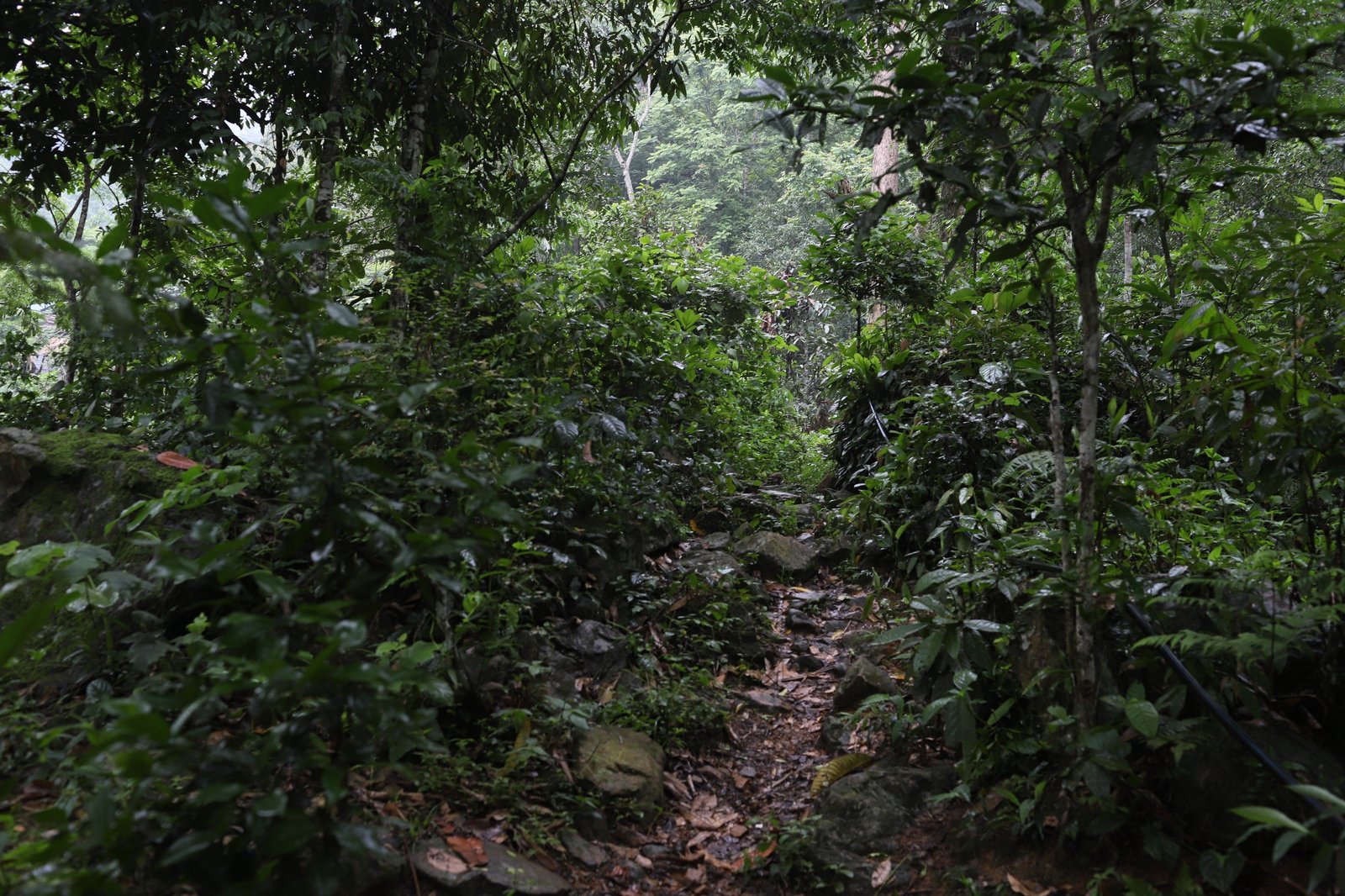
Few know that the northern mountainous regions of Vietnam — Tây Côn Lĩnh, Suối Giàng, the border forest ranges — are among the earliest places on Earth where tea trees appeared. Shan Tuyết ancient tea trees, several measures tall, with trunks covered in white moss, have stood in these forests for hundreds of years, not planted by humans, but born of the wilderness.
Ethnic minorities in the highlands — Hà Nhì, Dao, Mông, Tày — have harvested leaves from these tea trees since time immemorial. For them, tea is not a commodity: it is a daily drink, a medicine, and an offering to ancestors during festivals. Vietnamese tea culture, traced back to its roots, begins on these humble and ancient mountain slopes, far predating any brand story.
Tea in everyday life: the water of hospitality
Throughout Vietnamese villages, you will witness an unwritten ritual: when guests enter a home, the host boils water. A hot cup of tea is placed before any conversation begins — it serves as a greeting, an expression of care, even an apology or a thank you. “Please have a cup of water” is the opening line of millennia of hospitality.
Precisely because it is so intertwined with daily life, Vietnamese tea possesses a unique beauty: unpretentious, unostentatious. The teapot sits on the dining tray, on the doorstep, on the rush mat in the yard. Drinkers sit anywhere, discussing anything. The elegance lies not in the utensils, but in the heart of the person pouring.
Perhaps that is why Vietnamese people drink tea in a very “open” way: golden-hued green tea at a sidewalk stall, aged tea in a rustic porcelain teapot, ancient-tree tea in the tranquil space of a tea connoisseur. All are tea, all are precious, as long as they are poured with sincerity.
Tea and Zen — when a cup of water becomes stillness
Since the Trần Dynasty, tea has accompanied Zen. Zen masters used tea to maintain alertness during long meditation sessions, and gradually, the act of brewing and drinking tea became part of their practice: slowing the mind, focusing attention on the single task of the cup of water before them.
The Trúc Lâm tradition is closely associated with Yên Tử tea. A cup of tea in the monastery is not merely a refreshing drink, but a mindfulness exercise: how hot is the water, what is the aroma of the tea, how light or heavy is the cup in hand — all are observed with complete awareness. Thus, drinking tea becomes drinking the entire moment.
This is perhaps the greatest spiritual contribution of Vietnamese tea culture: tea as a path home. Amidst a noisy day, a small teapot is how Vietnamese people grant themselves a moment of quietude — no need to travel far, no need for grand ceremonies, just boiling water and a few leaves.
Appreciating tea today — rediscovering slowness
In recent years, a generation of young Vietnamese people has begun to return to tea. They learn to brew each infusion, research tea regions, distinguish ancient-tree tea from lowland tea, and gather for tea sessions that last entire afternoons. The interesting thing is that they return not out of nostalgia, but because they find in tea something that modern life lacks: intentional slowness.
Therefore, appreciating tea today is not an imitation of Japanese tea ceremony or Chinese customs. It is a continuation of the inherent flow of Vietnamese people: tea for hospitality, tea for tranquility, tea to remember that the best things often take time — just as an ancient tea tree needs a hundred years to yield a fragrant cup.
Preservation begins with a cup of tea
Culture is not preserved in museums, but in habits. Every time we choose to drink a tea with clear origins, brew it slowly, drink it slowly, and share its story — Vietnamese tea culture lives on for another day.
Việt An Trà was founded with this belief: to bring authentic mountain forest tea leaves to the tea tables of Vietnamese people today, so that the everyday cup of tea is not just a habit, but a continuation. A connection between the tea picker on the mountain and the tea brewer in the city; between the hundred-year-old tea tree and the cup of tea this morning.