
Nghệ thuật thưởng thức
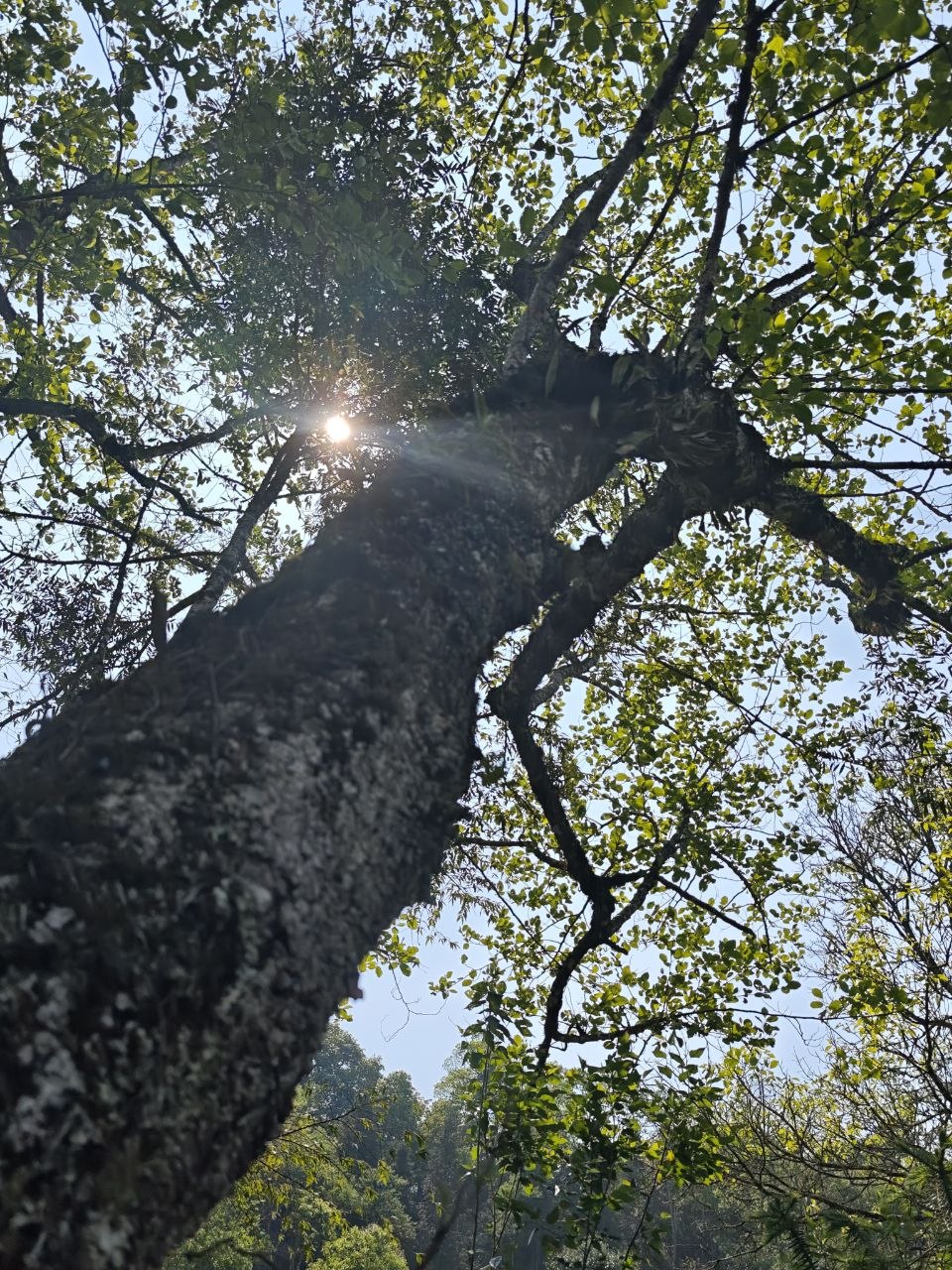
Vẻ đẹp của sự bất toàn, tinh tế trong từng búp lá trà cổ thụ.
Trà Việt An
Searching along mountain paths, through wild tea forests still untouched, each batch of tea is born carrying the full mountain scent, the dedication of the tea maker, and the longing of those enchanted by that flavor.
The path
to the mountain
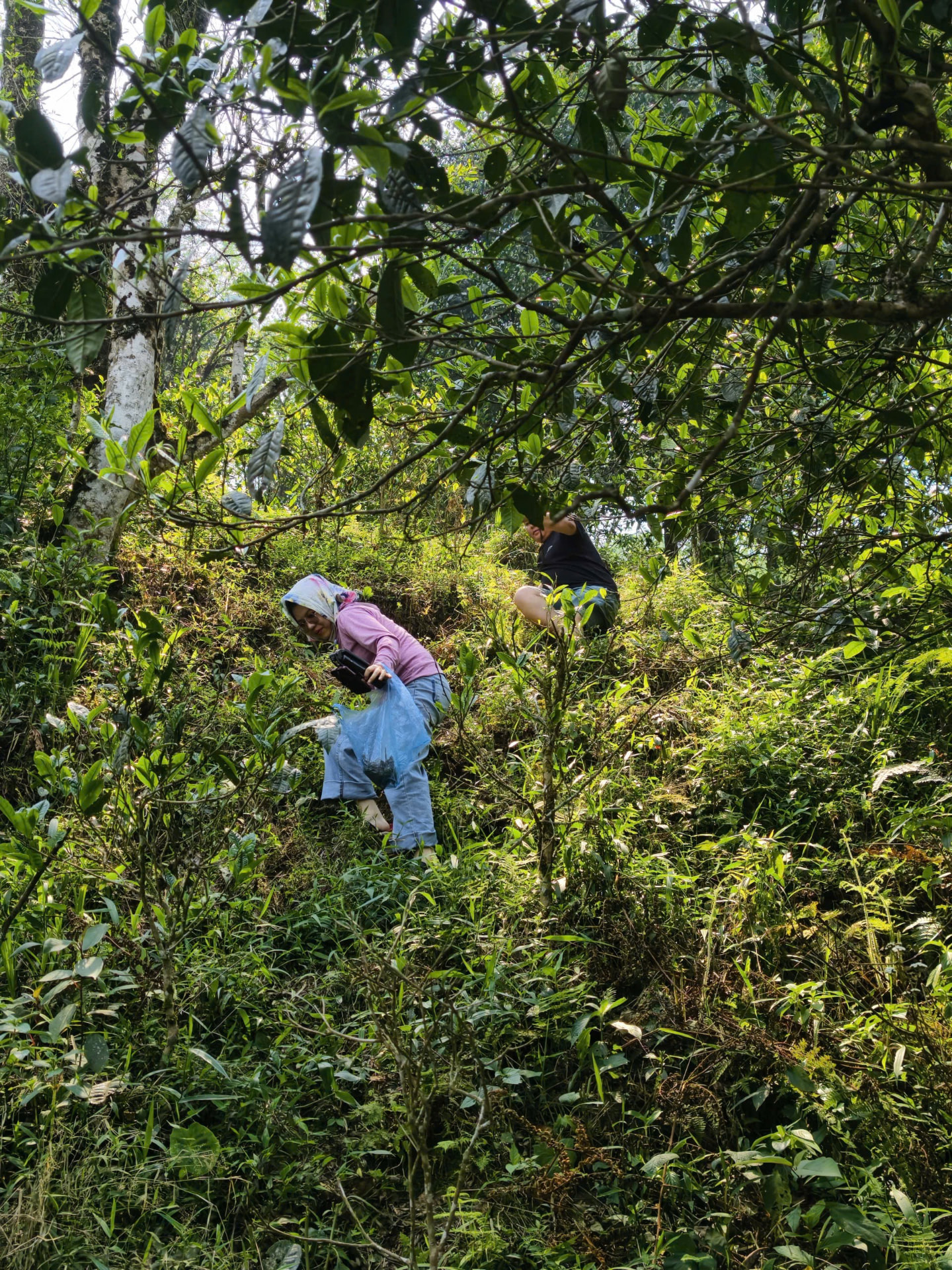
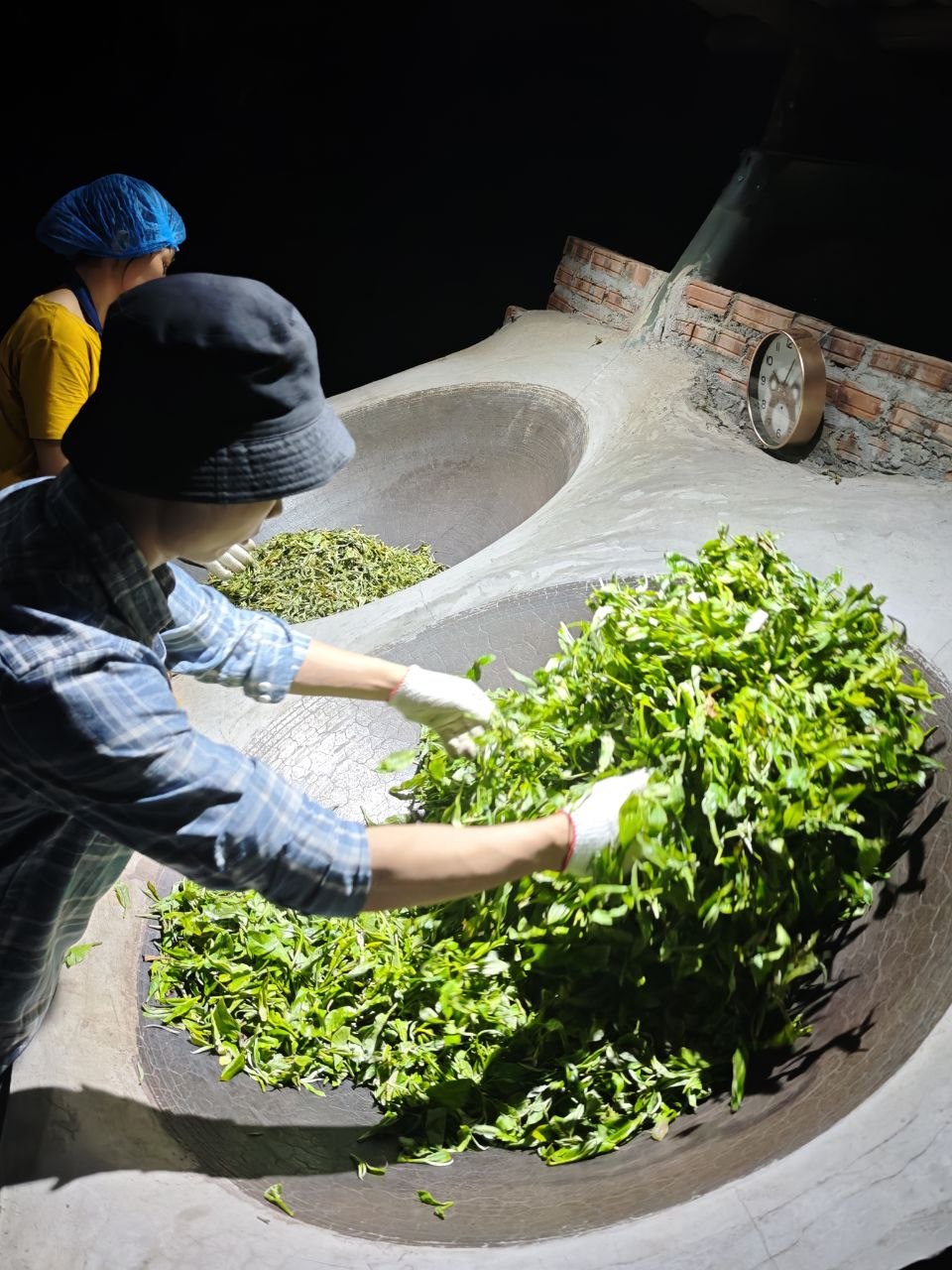
A journey back to centuries-old tea trees on the peaks of Tây Côn Lĩnh. Under a thousand clouds, each bud crystallises the spirit of earth and sky and the meticulous hands of the maker.
"We do not tell stories to sell tea — there is only the earth, the sky, the picker's hands, and you, the one drinking."
Read our tea story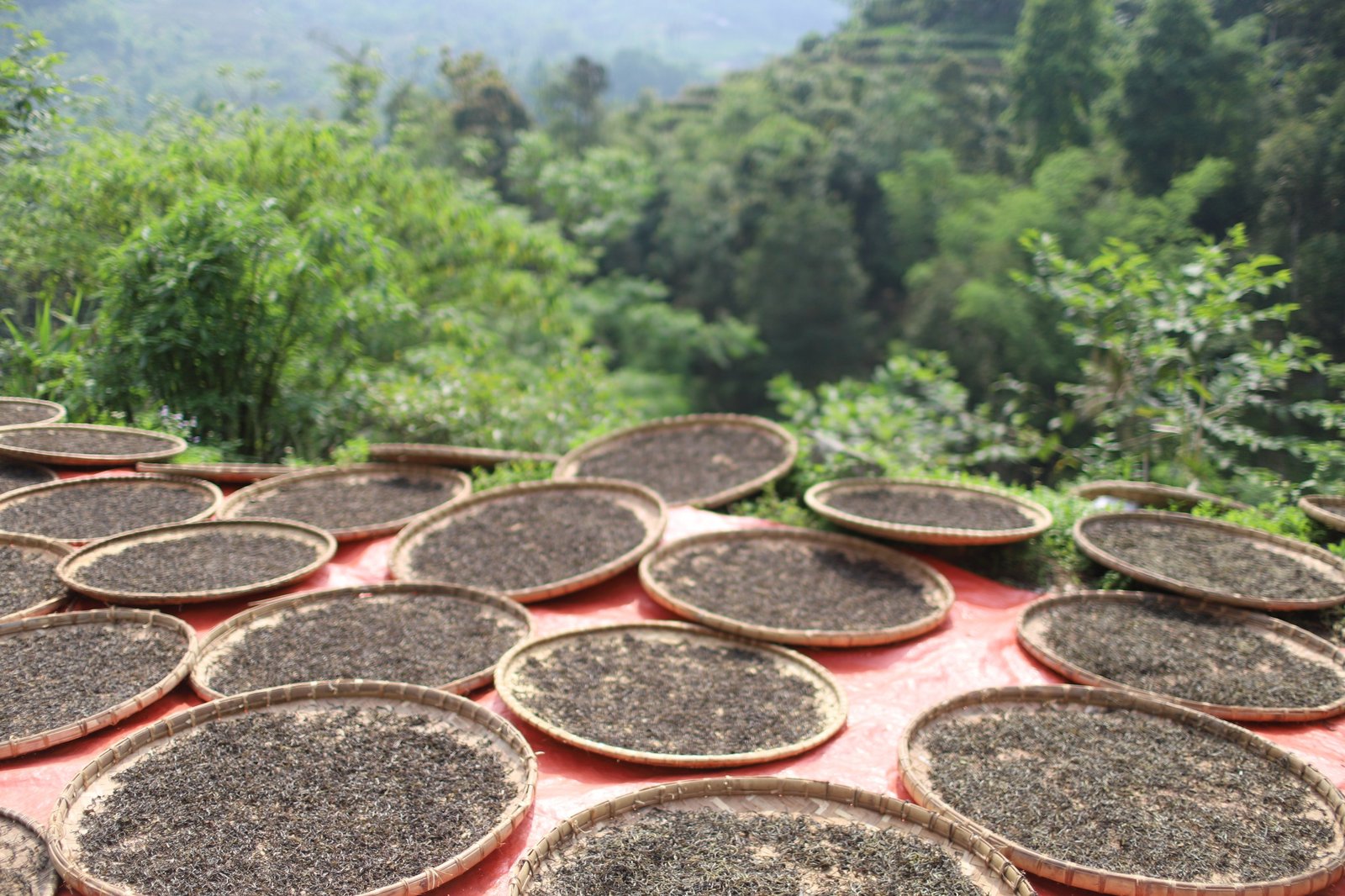
Selected by season
Precious Tea Collection
Explore the full tea shelf, see bestsellers and reviews, and find a tea that suits your palate.
Chuyện nhà trà
From Grandmother’s cup to journeys into the mountains
My tea journey began by chance. I was still a student then. My grandmother was still alive. I often drove my mother to visit her in the early afternoons, on Quang Trung Street. It may not seem like much, but for me it was a turning point that changed me from someone who never drank tea into someone who could. More precisely, back then I did not call it trà; I called it chè.
My grandmother was from Thái Nguyên. She loved green tea, the kind that grew on the hill behind the house and was roasted over a wood stove in the countryside. The green tea was bitter, with a sweet aftertaste, but it was not easy for me to drink at all. From childhood to adulthood, I had never finished a cup of that bitter water. Grandmother’s tea was a dry, crumpled leaf pried from a children’s aluminium milk box that had rusted on the outside while the inside was still good, as people used to say. On those visits I usually sat in the small kitchen that had been converted to hold her bed. The brewed tea was kept in a thermos, heated on a gas stove. It carried the old, familiar smell of the apartment block, and the quiet taste of a summer noon that I felt had seeped into it. The white porcelain teapot and cups were big and heavy, with some printed words I no longer remember. I only know that their whiteness made the green tea colour stand out vividly, along with the black specks at the bottom that I later learned were broken tea leaves. Yet unlike now, I drank that water only because there was nothing else to drink, and because I had to sit waiting while my mother and grandmother talked.
Perhaps that was the first time I truly drank. Suddenly I found myself able to listen, able to join in the conversations of adults — things I had never cared about before, and had not really understood. Later, I not only drank but also brewed. Almost unconsciously, I practised the small sip-and-smack, though in hindsight I must have looked a bit pretentious. Even now, I still cannot do it the way my grandmother did. Hers was more elegant than the smacking sound I made while waiting for the tea’s sweet aftertaste. And it was in moments like these that, for the first time, I sensed a kind of care from my grandmother that I had never noticed before.
It turned out that tea helped me hear things I had once missed. Later, I heard stories from friends in rural villages. They were like me. They too had grandparents, a clump of tea behind the house, a pot of green tea steeped in a thermos, the smell of stove smoke mixed into the water, and a whole season of tea memories that had passed.